
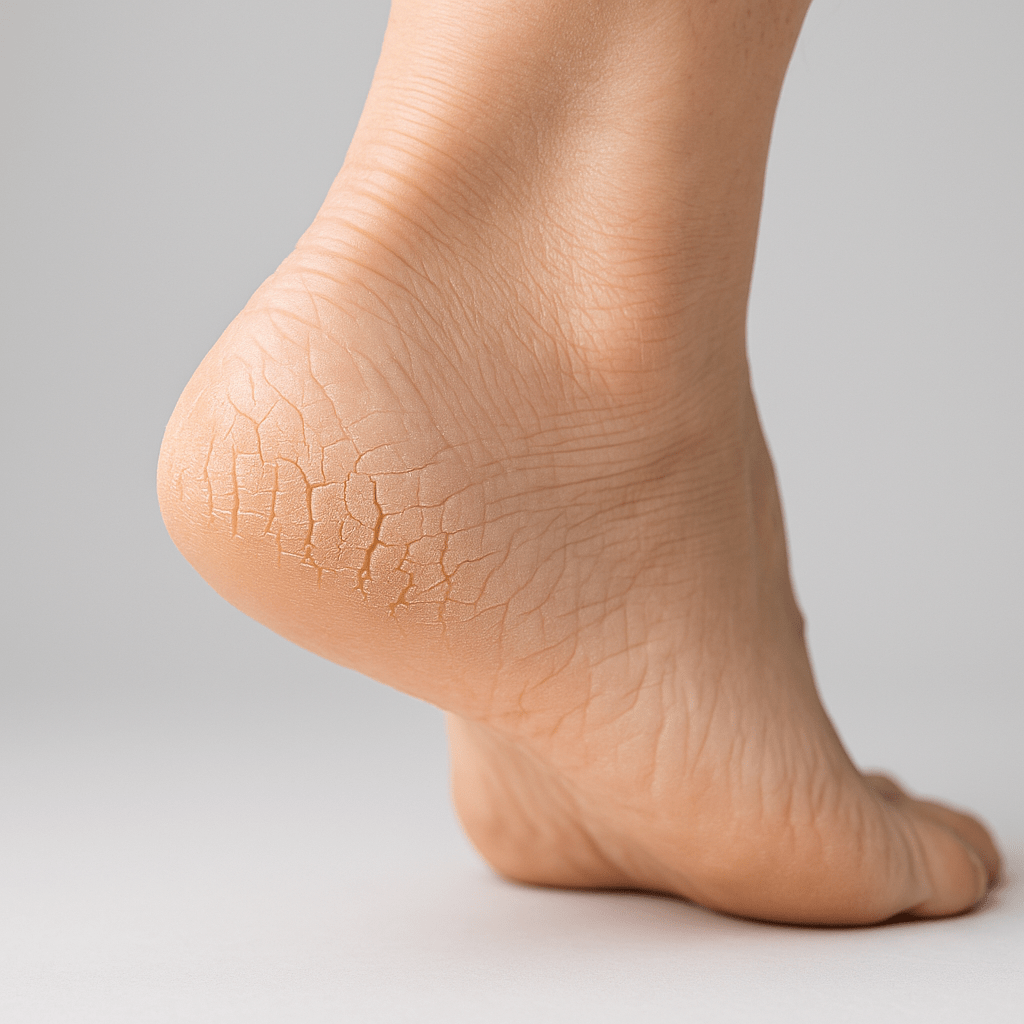
Winter presents unique physiological challenges to the skin, particularly in the lower extremities. Despite being one of the most functionally significant parts of the human body, the feet often receive inadequate attention during colder months. Research in dermatological care indicates that cold temperatures, low humidity, and prolonged exposure to closed footwear create conditions that accelerate transepidermal water loss, leading to dryness, flakiness, and fissuring—especially around the heels and ankles.
Understanding Winter-Induced Skin Changes
The skin of the foot, especially the heel region, is structurally thicker and contains fewer sebaceous glands compared to other areas of the body. As ambient humidity drops in winter, the skin’s natural ability to retain moisture diminishes. Clinical studies highlight that this reduction in hydration compromises the skin barrier, resulting in:
- Peeling and roughness around the ankles
- Callus formation and hardened skin
- Increased vulnerability to fissures and micro-tears
- Heightened susceptibility to bacterial and fungal colonization
These changes are further aggravated by friction from socks, prolonged use of closed shoes, and inadequate air circulation—common factors during winter months.
Hygiene, Microbial Growth, and Foot Health
Dermatological literature consistently shows that warm, enclosed environments promote sweat accumulation, making the feet more prone to microbial build-up. Without regular exfoliation and removal of dead skin, this environment can lead to:
- Malodor caused by bacterial degradation
- Fungal infections such as athlete’s foot
- Excessive callusing, leading to discomfort while walking
- Secondary infections in cases of cracked heels
Thus, maintaining foot hygiene during winter is not merely a cosmetic concern—it is an important aspect of preventive skin care and overall well-being.
Role of Exfoliation and Mechanical Debridement
Regular exfoliation is recognized as a key intervention for preventing thickened, dry skin from hardening into painful calluses. Mechanical debridement through the use of footscrapers is widely recommended in podiatric practice due to its effectiveness in:
- Removing accumulated dead skin cells
- Improving skin texture and appearance
- Enhancing the absorption of moisturizers
- Restoring comfort and ease of movement
High-quality tools ensure that exfoliation can be performed safely, uniformly, and without micro-injury to the skin.
How Our Footscrapers Support Winter Foot Health
As a leading manufacturer of personal care tools, we produce a comprehensive range of premium-grade footscrapers engineered to address the exact challenges described above. Manufactured with long-lasting metal surfaces, ergonomic handles, and dual-action designs for both exfoliation and massage, our footscrapers are designed to support:
- Effective removal of dry, hardened winter skin
- Prevention of ankle peeling and heel fissures
- Stimulation of healthy circulation
- Improved hygiene and reduction in microbial retention
Our products are trusted in both domestic and export markets, supported by robust production capacity and consistent quality standards. We remain committed to providing world-class solutions that enhance everyday well-being, particularly during seasons when proper foot care is most essential.
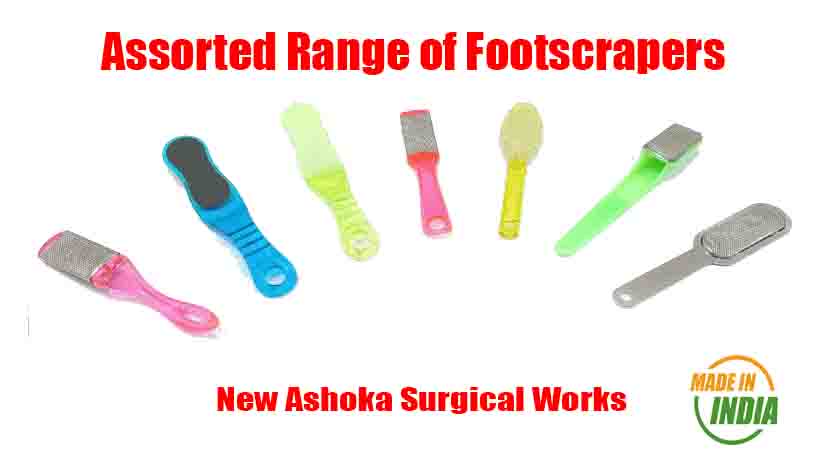
 New Ashoka Surgical Works